

Introduction to Mind and Body Wellness
Have you ever felt really tired after a long, stressful day? Or maybe you felt grumpy because you missed lunch? This happens because your mind and your body are connected. What happens to one can affect the other. That’s why it’s important to take care of both your mental and physical health.
Understanding the Connection Between Mental and Physical Health
The way your mind and body talk to each other is like a two-way street. Sometimes, being sick can make you feel sad or worried. And feeling stressed or scared can make your stomach hurt or make your heart beat faster. This shows us how important it is to take care of our feelings and our body at the same time.
Doctors and scientists, like those at big hospitals and universities, have found that happy thoughts can help your body fight sickness. When you exercise, your body makes special chemicals that make you feel good. These chemicals can make you feel happy and calm.
The Importance of Integrating Mind and Body Care
Taking care of your mind and your body together means doing things that make you feel good and keep you healthy. Eating good food, playing and exercising, relaxing, and spending time with friends are all ways to help your body and mind stay strong.
When you make choices that are good for both your mind and your body, you help yourself feel better now and in the future. Even simple things like a walk in the park or a bedtime story can make a big difference. These good choices help your mind and body work better together.
By looking after both your mind and your body, you can feel happier and do better in everything you do. Just remember, your body and your mind are like best friends—they work best when they help each other out!
Essential Elements of Mind and Body Care
Physical Health and Its Impact on Mental Wellbeing
Taking care of your body is like taking care of your favorite plant. Just as a plant needs sunlight, water, and good soil to thrive, our bodies need proper care to ensure our minds stay healthy and happy. When our body feels good from the right exercise, food, and sleep, our mind often feels joyful and energetic.
The Role of Regular Physical Activity
Moving your body every day is like giving it a dose of happiness. When you exercise, your body releases chemicals called endorphins. Think of endorphins as little helpers that make you feel good and calm. Activities like walking, dancing, or playing a sport not only keep your muscles strong but also help you feel less stressed and more relaxed. Even simple things like playing tag outside, going for a bike ride, or taking your dog for a walk can make a big difference in how you feel each day.
Nutritional Choices That Enhance Mental and Physical Health
Eating well is just as important as staying active. Foods can affect both your body and your mind. For example, eating lots of fruits, vegetables, and grains can help you have more energy throughout the day and keep your mind sharp and focused. Some foods, like fish and nuts, are especially good for your brain. It’s like fueling up your car with the best gas so it runs smoothly. Remember, what you put in your body can affect how you feel both inside and out.
The Importance of Sleep and Its Psychological Benefits
Sleep is your body’s time to rest and repair itself. Imagine your body is like a phone—sleep is how it charges. Getting enough sleep helps you solve problems better, be in a better mood, and even do better in school or at play. Most kids need about 9-12 hours of sleep each night, while adults need about 7-9 hours. Creating a bedtime routine, like reading a book or drawing before bed, can help your mind wind down and make it easier to fall asleep.
Taking care of your body helps your mind stay healthy, too. By keeping active, eating right, and getting plenty of sleep, you’re making sure both your body and your mind are being taken care of just like that favorite plant of yours—set to grow, bloom, and thrive.
Mental Health Practices to Enhance Physical Wellness
Caring for your mind is just as important as looking after your body. When we take steps to make our minds healthier, our bodies tend to follow suit. Let’s dive into some easy ways you can support both your mental and physical health.
Mindfulness and Meditation Techniques
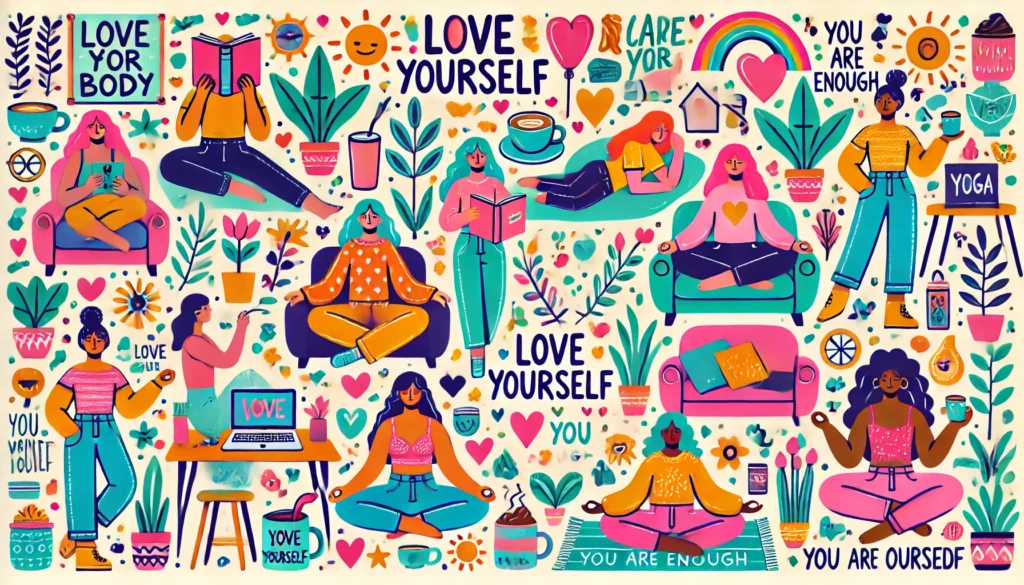
Mindfulness and meditation are like super tools for your brain! They help calm your mind, making you feel less stressed and more relaxed. Think of your mind as a busy bee – always moving and buzzing from one thought to another. Mindfulness teaches this bee to slow down and rest on a flower, enjoying the moment.
How to practice mindfulness?
- Notice the Now: Try to pay attention to what you’re doing. Whether you’re eating, walking, or even brushing your teeth, focus on the moment and how it feels.
- Breathe Deeply: Sometimes, all you need to do is take a deep breath. Sit down, close your eyes, and take a few slow, deep breaths. This can help your mind stop racing.
Why try meditation?
Meditation is like giving your mind a mini-vacation. It can be as simple as sitting quietly for a few minutes each day. During this time, try to clear your mind or focus on one peaceful thought. There are lots of apps and videos online that can guide you through short meditations.
Stress Management and Reduction Strategies
Stress is when you feel like you have too much to handle. It’s normal to feel stress sometimes, but too much can make us sick. Luckily, there are fun and easy ways to manage stress.
Quick stress relief tips:
- Move Around: Exercise isn’t just good for your body; it’s great for your brain too. When you move, your body makes chemicals that make you feel good.
- Talk to Friends or Family: Sharing your thoughts and worries can make them seem less scary. Plus, laughing and chatting with someone you like can make you feel better instantly.
The Benefits of Mental Health Days and Psychological Breaks
Sometimes, the best thing you can do for your health is to take a break. A mental health day is when you take a day off from your usual responsibilities to focus on relaxing and recharging.
Why take mental health days?
- Rest Your Mind: Just like muscles need rest after exercise, your brain needs breaks too. Taking a day to do something fun or relaxing can help you return to your routine refreshed and more productive.
- Reduce Burnout: Doing the same things every day can wear you out. A break can help prevent feeling overwhelmed and tired all the time.
Taking care of your mental health helps keep your body strong too. By practicing techniques like mindfulness and taking breaks when you need them, you can feel happier and more energetic. Remember, it’s okay to ask for help if stress feels too big to handle alone. Talking to a counselor or doctor can be a great step towards feeling better.
Practical Tips for Everyday Mind and Body Care
Daily Routines for Holistic Health
Starting the Day with a Mind-Body Exercise Routine
A great way to start your day is by moving your body with a fun activity like stretching, dancing, or simple yoga. These activities help wake up your body and calm your mind, making you ready for the day. You can follow along with easy videos on YouTube, like “Yoga With Adriene,” which are perfect for beginners and even kids.
Nutritional Habits for Sustained Energy and Mood Stability
Eating good food is important for keeping your energy up and feeling happy throughout the day. Start with a good breakfast that includes things like eggs, some toast, and maybe a piece of fruit. Remember to drink lots of water because it helps keep you hydrated and focused. For snacks, choose yummy and healthy options like apple slices, cheese, or yogurt.
Evening Routines to Promote Relaxation and Restful Sleep
It’s important to end your day in a peaceful way to help your body know it’s time to sleep. You might read a story, take a warm bath, or do some easy stretches to relax. Listening to soft music or sounds of nature can also help make you sleepy. Setting a bedtime routine helps your body get used to slowing down at the same time each night.
Self-Care Strategies for Long-Term Benefits
Regular Health Check-Ups: Physical and Psychological
Visiting your doctor regularly is part of taking good care of yourself. These visits help you stay healthy by catching any problems early. It’s not just about seeing the doctor when you feel sick. These check-ups are to make sure everything in your body is working great, like your heart and your muscles, and even your feelings.
Social Connections and Their Role in Overall Health
Being with friends and family makes you feel good and supported. It’s fun to play and talk with others. Joining clubs or groups where you can do activities together, like a sports team or an art class, is a good way to meet new friends. This makes you feel part of a community and keeps your mind happy.
Adopting Hobbies That Foster Both Mental and Physical Skills
Finally, try to find a hobby that you love and that makes you think and move. This could be gardening, where you dig and plant, and watch things grow, or maybe learning to play a musical instrument. Hobbies like these make your brain and body work together, and they make life more fun.
These tips are based on what doctors and health websites tell us are good for our bodies and minds. By trying some of these ideas, you can help keep yourself happy and healthy.
Overcoming Challenges in Mind and Body Care
Taking care of your mind and body sounds straightforward, but it’s not always easy. Life gets busy, stress builds up, and sometimes, we just feel too tired to keep up with it all. Let’s explore some common barriers and how you can manage them to keep feeling your best.
Identifying and Managing Common Barriers
First, it’s key to know what might stop you from taking good care of yourself. Do you feel like there aren’t enough hours in the day? Maybe you’re often too tired, or you’re not sure who to turn to for help. Recognizing these barriers is the first step to overcoming them.
Time Management Tips for Busy Schedules
When your to-do list is overflowing, finding time for yourself can seem impossible. Here’s a little secret: break your tasks into smaller, bite-sized pieces. Think of it like eating your favorite snack—one small bite at a time.
- Prioritize: What needs to be done first? Make a list.
- Schedule: Put time for exercise or relaxation right on your calendar, just like a meeting.
- Say no: It’s okay to skip some activities to take care of your health.
Dealing with Emotional and Physical Exhaustion
Feeling exhausted can make everything else harder. It’s like trying to ride a bike with flat tires. Here’s how to pump them back up:
- Rest: Yes, it sounds obvious, but make sure you get enough sleep.
- Talk about it: Sharing how you feel with friends or family can lighten your load.
- Quiet time: Find a few minutes for quiet time, maybe with a book or just your thoughts.
Resources for Professional Help and Guidance
Sometimes, we need a little extra help, and that’s perfectly okay. If you’re feeling overwhelmed, many resources are available:
- Doctors and therapists: They can offer you advice tailored to your needs.
- Support groups: Talking with others facing similar challenges can be a huge relief.
- Online resources: Websites like the National Institute of Mental Health offer great tips and guidance.
By understanding the hurdles and knowing how to tackle them, you can make taking care of your mind and body a bit easier. Remember, small steps can lead to big changes!
Real-Life Success Stories
Hearing about people who take good care of their minds and bodies can encourage us all. Let’s look at some stories of people who have made big changes and felt better because of it.
Case Studies of Effective Mind and Body Care
Sarah’s Journey with Yoga and Mindfulness
Meet Sarah. She works on a computer all day, designing things like websites and logos. Sarah was feeling very stressed because she had too much work. To help herself feel better, she started doing yoga and sitting quietly for a few minutes each day, thinking about happy things. Yoga helped her stretch and relax, and thinking happy thoughts helped calm her mind. After a few months, Sarah felt happier and wasn’t as stressed. She also felt stronger and could do more things without getting tired.
James’ Transformation Through Diet and Exercise
James used to be a soldier, and when he came home, he felt sad and didn’t move around much, which made him gain a lot of weight. One day, James decided to start walking a little bit every day and chose to eat more fruits and vegetables instead of junk food. Over time, James lost 50 pounds and started feeling much better. He wasn’t as sad anymore, and he had more energy to play with his kids.
Testimonials on the Impact of Integrated Health Practices
Maria’s Holistic Approach to Health
Maria says, “When the doctor told me I had diabetes, I knew I had to change how I lived.” She started eating foods that were good for her, took quiet time to breathe deeply, and saw her doctor regularly to check on her health. By doing all these things together, Maria kept her diabetes under control and started feeling less worried and more in charge of her life.
Kevin’s Recovery Through Social Support and Physical Care
Kevin had a tough time with some bad habits and decided he needed help to get better. He joined a group where people supported each other and started playing basketball again, which he loved doing. Kevin says, “Talking to friends who cared about me and playing basketball made me feel strong again. It helped me stay healthy and happy.” Kevin’s story shows us that having friends and being active can make a big difference in feeling good.
These stories show us that taking small steps to take care of our bodies and minds can make us feel much better. Whether it’s choosing better food, moving more, or finding ways to relax, each story is a reminder that we all can do things to feel healthier and happier.
Conclusion
Taking care of your mind and body is very important for feeling good and staying healthy. By doing small things every day and learning from others, we can get better at taking care of ourselves. Remember, even little steps can make a big difference in how happy and healthy we feel.
FAQs
What are some easy things I can do every day to help my mind and body?
You can do simple things like walking for a little bit, sitting quietly and thinking happy thoughts for 10 minutes, or eating healthy snacks like fruits or veggies. Doing these things every day can help you feel less stressed, happier, and healthier.
How does keeping my body healthy make my mind feel better?
When you keep your body healthy by moving around and eating good food, your brain starts to feel good too. Moving around helps your body make special chemicals that make you feel happy and calm. Sleeping well and eating right also help your brain stay sharp and happy.
What can I do to keep feeling excited about taking care of my mind and body?
It’s great to set goals that you can reach. You can start with easy goals and get excited when you meet them. You can also think about all the good things that come from staying healthy, like having more energy to play. Sharing your goals with friends or family can make it more fun because you can help each other stay on track.
Does taking care of my mind and body help me handle stress better?
Yes, when you take good care of your mind and body, it can help you handle stress a lot better. Doing things like breathing deeply, stretching your body, or sitting quietly can make your mind calm. Also, running around and playing can help get rid of stress in your body and make you feel relaxed.